

logotype
  • HOME
  • ABOUT US
    • History
    • Our Team
  • SERVICES
  • PORTFOLIO
    • PEPONI SHOW
    • TAKA TAKA PARADE
    • OUR MOTHER SHOW
    • INVISIBLE WALLS
  • CONTACTS

    Contacts

    We are Here:

    Mikocheni,Rose Garden Road, Dar es Salaam, Tanzania

    Call Us:

    +255 652 254 526

    Mail Us:

    houseofwondar@gmail.com
    X-twitterFacebookInstagramLinkedin

    Get in touch

    Your email address will not be published. Required fields are marked *

    make an appointment
    logotype
    • HOME
    • ABOUT US
      • History
      • Our Team
    • SERVICES
    • PORTFOLIO
      • PEPONI SHOW
      • TAKA TAKA PARADE
      • OUR MOTHER SHOW
      • INVISIBLE WALLS
    • CONTACTS

      Contacts

      We are Here:

      Mikocheni,Rose Garden Road, Dar es Salaam, Tanzania

      Call Us:

      +255 652 254 526

      Mail Us:

      houseofwondar@gmail.com
      X-twitterFacebookInstagramLinkedin

      Get in touch

      Your email address will not be published. Required fields are marked *

      make an appointment
      • HOME
      • ABOUT US
        • History
        • Our Team
      • SERVICES
      • PORTFOLIO
        • PEPONI SHOW
        • TAKA TAKA PARADE
        • OUR MOTHER SHOW
        • INVISIBLE WALLS
      • CONTACTS

        Contacts

        We are Here:

        Mikocheni,Rose Garden Road, Dar es Salaam, Tanzania

        Call Us:

        +255 652 254 526

        Mail Us:

        houseofwondar@gmail.com
        X-twitterFacebookInstagramLinkedin

        Get in touch

        Your email address will not be published. Required fields are marked *

        logotype
        logotype
        • HOME
        • ABOUT US
          • History
          • Our Team
        • SERVICES
        • PORTFOLIO
          • PEPONI SHOW
          • TAKA TAKA PARADE
          • OUR MOTHER SHOW
          • INVISIBLE WALLS
        • CONTACTS

          Contacts

          We are Here:

          Mikocheni,Rose Garden Road, Dar es Salaam, Tanzania

          Call Us:

          +255 652 254 526

          Mail Us:

          houseofwondar@gmail.com
          X-twitterFacebookInstagramLinkedin

          Get in touch

          Your email address will not be published. Required fields are marked *

          strength Tag

          Tag: strength

          post
          Meditation
          March 2, 2026By wondarland2 Comments

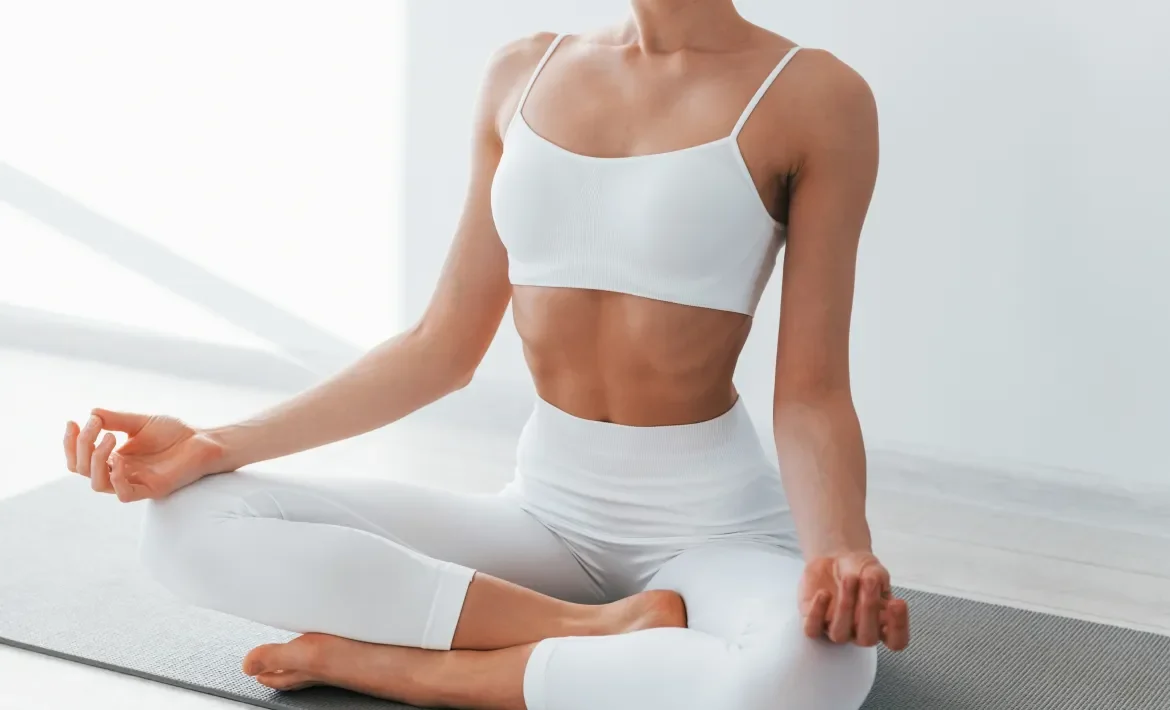
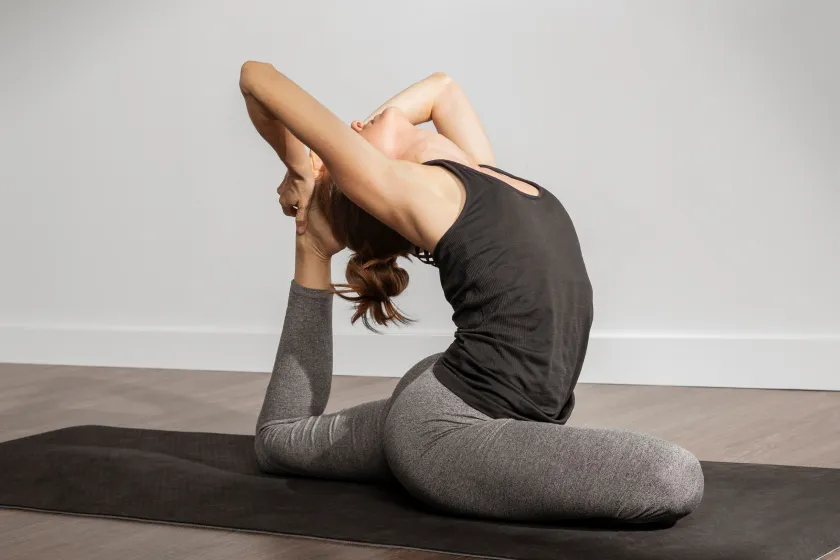
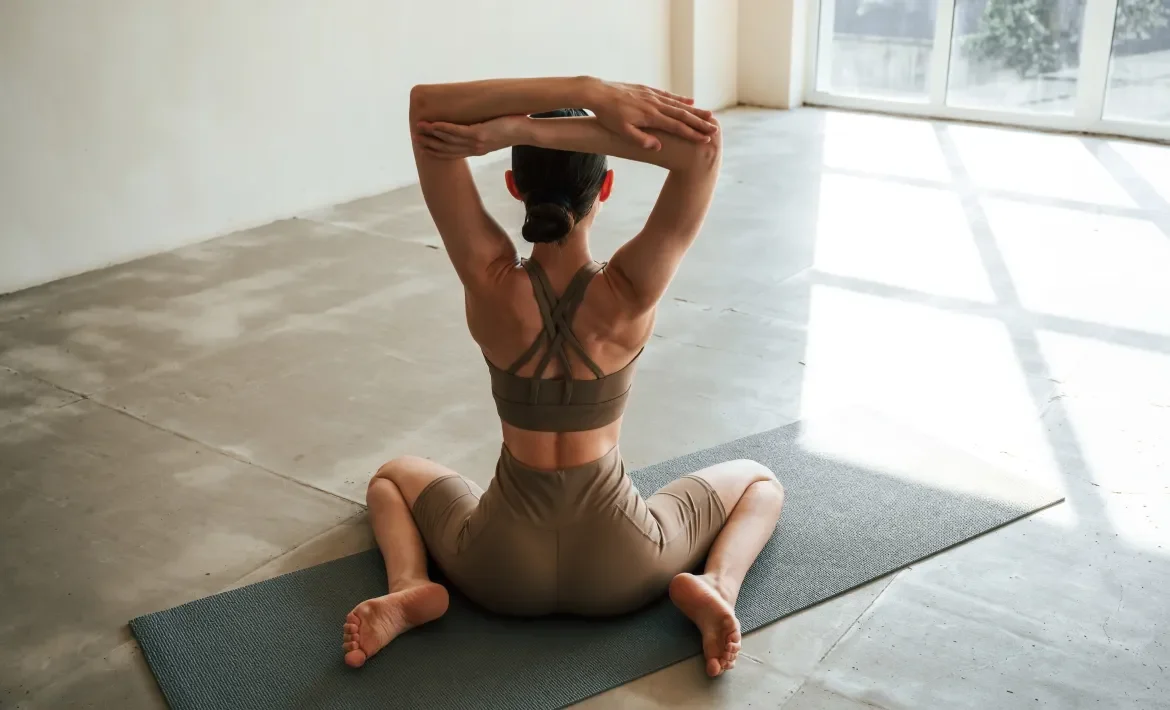
          5 Simple Yoga Poses to Start Your Morning

          In today’s fast-paced world, stress and anxiety have become almost universal experiences. Deadlines, financial pressures, social expectations, digital overload, and personal responsibilities can overwhelm the mind and body. While medication and therapy are essential for many people, natural and holistic practices like yoga have proven to be powerful tools in managing stress and anxiety. Yoga is much more than stretching or physical exercise. It is a mind-body practice that combines movement, breath control, and meditation to promote physical health and emotional balance. For thousands of years, yoga has been used to cultivate inner peace and resilience.

          Yoga is often misunderstood as simply a physical exercise focused on flexibility. In reality, it is a sophisticated mind-body discipline developed thousands of years ago to cultivate harmony between physical health, mental clarity, and emotional stability. What makes yoga uniquely powerful for stress and anxiety is its integrated approach. It does not treat the mind and body as separate systems. Instead, it recognizes that mental tension manifests physically and that physical relaxation can profoundly influence mental states.
          How Long Does It Take to See Results?

          When a person experiences stress, the body activates the sympathetic nervous system, often described as the fight-or-flight response. The heart begins to beat faster, muscles tighten, breathing becomes shallow, and stress hormones such as cortisol and adrenaline flood the bloodstream. This response is essential in moments of danger, but it was never meant to remain switched on all day. Unfortunately, modern stressors rarely involve physical threats. Instead, they are psychological and continuous.

          “When we slow down enough to listen, the body reveals its wisdom and the mind begins to quiet.”HARRY WUKO

          Yoga gently interrupts this cycle. Through slow, deliberate movement and controlled breathing, it stimulates the parasympathetic nervous system, sometimes referred to as the rest-and-digest response. This shift signals safety to the brain. The heart rate slows, blood pressure decreases, and muscles begin to soften. Over time, regular yoga practice retrains the nervous system to recover from stress more quickly. Instead of remaining stuck in hyper-alert mode, the body learns flexibility and balance.
          READ MORE
          post-1
          Lessons
          March 2, 2026By wondarland2 Comments

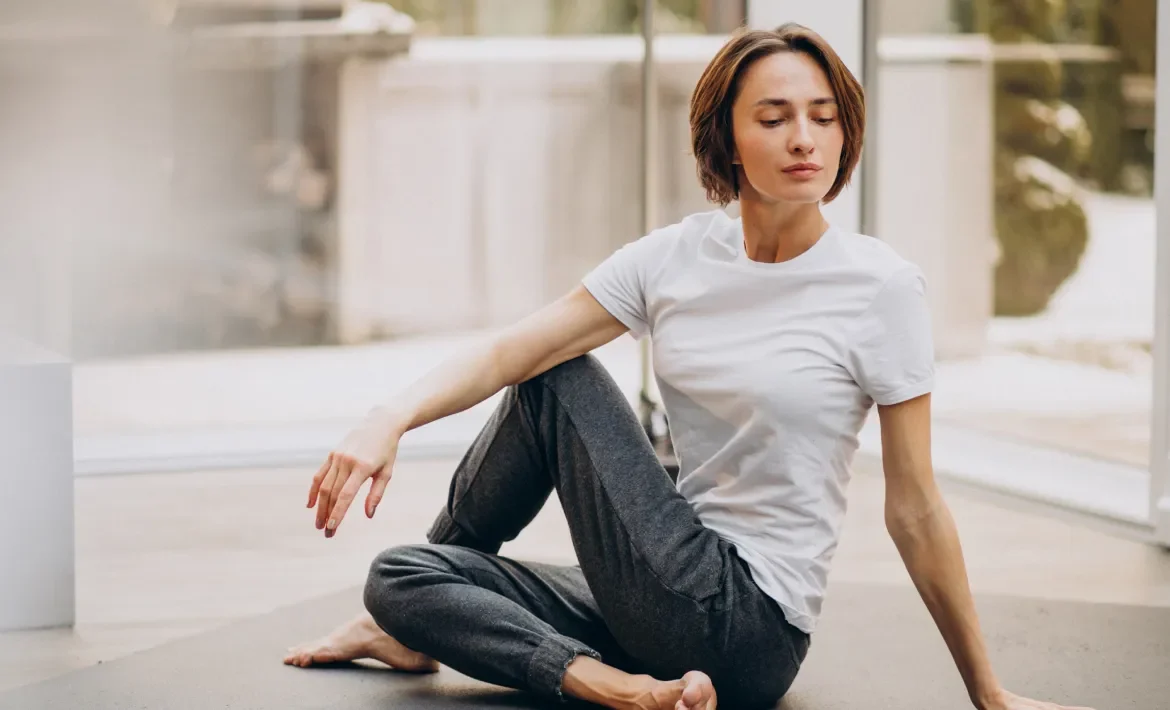
          The Power of Breath in Your Yoga Practice

          In today’s fast-paced world, stress and anxiety have become almost universal experiences. Deadlines, financial pressures, social expectations, digital overload, and personal responsibilities can overwhelm the mind and body. While medication and therapy are essential for many people, natural and holistic practices like yoga have proven to be powerful tools in managing stress and anxiety. Yoga is much more than stretching or physical exercise. It is a mind-body practice that combines movement, breath control, and meditation to promote physical health and emotional balance. For thousands of years, yoga has been used to cultivate inner peace and resilience.

          Yoga is often misunderstood as simply a physical exercise focused on flexibility. In reality, it is a sophisticated mind-body discipline developed thousands of years ago to cultivate harmony between physical health, mental clarity, and emotional stability. What makes yoga uniquely powerful for stress and anxiety is its integrated approach. It does not treat the mind and body as separate systems. Instead, it recognizes that mental tension manifests physically and that physical relaxation can profoundly influence mental states.

          How Long Does It Take to See Results?

          When a person experiences stress, the body activates the sympathetic nervous system, often described as the fight-or-flight response. The heart begins to beat faster, muscles tighten, breathing becomes shallow, and stress hormones such as cortisol and adrenaline flood the bloodstream. This response is essential in moments of danger, but it was never meant to remain switched on all day. Unfortunately, modern stressors rarely involve physical threats. Instead, they are psychological and continuous.

          “When we slow down enough to listen, the body reveals its wisdom and the mind begins to quiet.”HARRY WUKO

          Yoga gently interrupts this cycle. Through slow, deliberate movement and controlled breathing, it stimulates the parasympathetic nervous system, sometimes referred to as the rest-and-digest response. This shift signals safety to the brain. The heart rate slows, blood pressure decreases, and muscles begin to soften. Over time, regular yoga practice retrains the nervous system to recover from stress more quickly. Instead of remaining stuck in hyper-alert mode, the body learns flexibility and balance.
          READ MORE
          post-2
          Health
          March 2, 2026By wondarland2 Comments

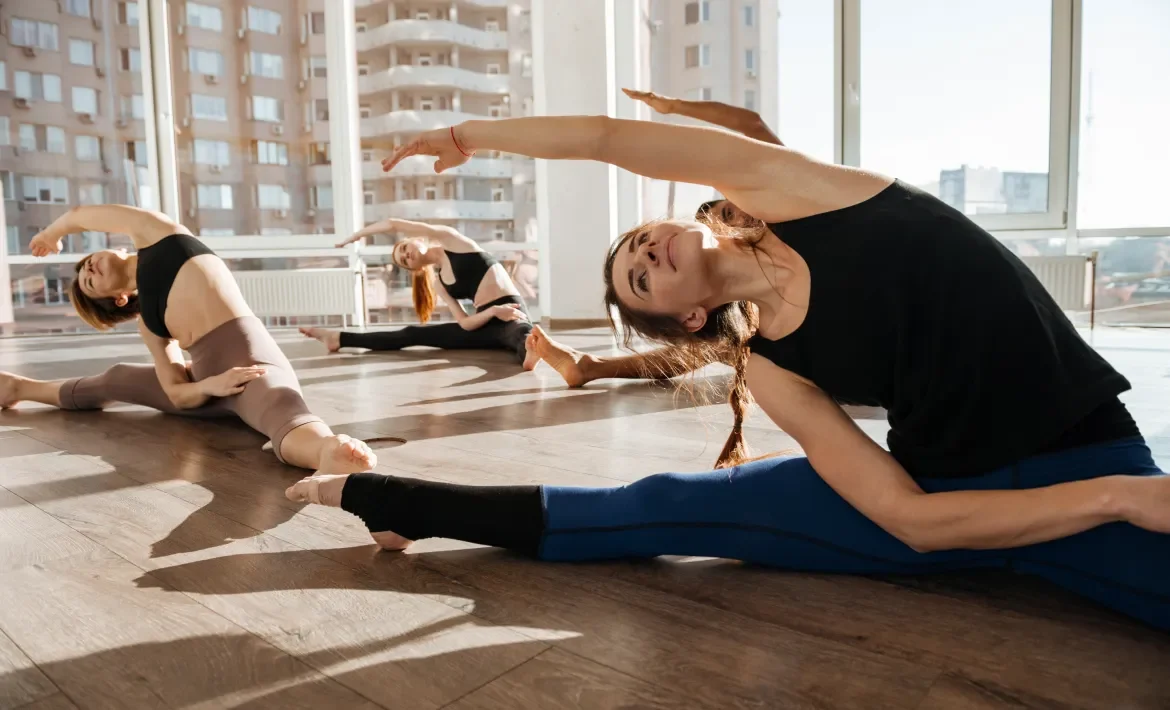
          How Yoga Reduces Stress and Anxiety

          In today’s fast-paced world, stress and anxiety have become almost universal experiences. Deadlines, financial pressures, social expectations, digital overload, and personal responsibilities can overwhelm the mind and body. While medication and therapy are essential for many people, natural and holistic practices like yoga have proven to be powerful tools in managing stress and anxiety. Yoga is much more than stretching or physical exercise. It is a mind-body practice that combines movement, breath control, and meditation to promote physical health and emotional balance. For thousands of years, yoga has been used to cultivate inner peace and resilience.

          Yoga is often misunderstood as simply a physical exercise focused on flexibility. In reality, it is a sophisticated mind-body discipline developed thousands of years ago to cultivate harmony between physical health, mental clarity, and emotional stability. What makes yoga uniquely powerful for stress and anxiety is its integrated approach. It does not treat the mind and body as separate systems. Instead, it recognizes that mental tension manifests physically and that physical relaxation can profoundly influence mental states.

          How Long Does It Take to See Results?

          When a person experiences stress, the body activates the sympathetic nervous system, often described as the fight-or-flight response. The heart begins to beat faster, muscles tighten, breathing becomes shallow, and stress hormones such as cortisol and adrenaline flood the bloodstream. This response is essential in moments of danger, but it was never meant to remain switched on all day. Unfortunately, modern stressors rarely involve physical threats. Instead, they are psychological and continuous.

          “When we slow down enough to listen, the body reveals its wisdom and the mind begins to quiet.”HARRY WUKO

          Yoga gently interrupts this cycle. Through slow, deliberate movement and controlled breathing, it stimulates the parasympathetic nervous system, sometimes referred to as the rest-and-digest response. This shift signals safety to the brain. The heart rate slows, blood pressure decreases, and muscles begin to soften. Over time, regular yoga practice retrains the nervous system to recover from stress more quickly. Instead of remaining stuck in hyper-alert mode, the body learns flexibility and balance.
          READ MORE
          post-3
          Yoga
          March 2, 2026By wondarland2 Comments

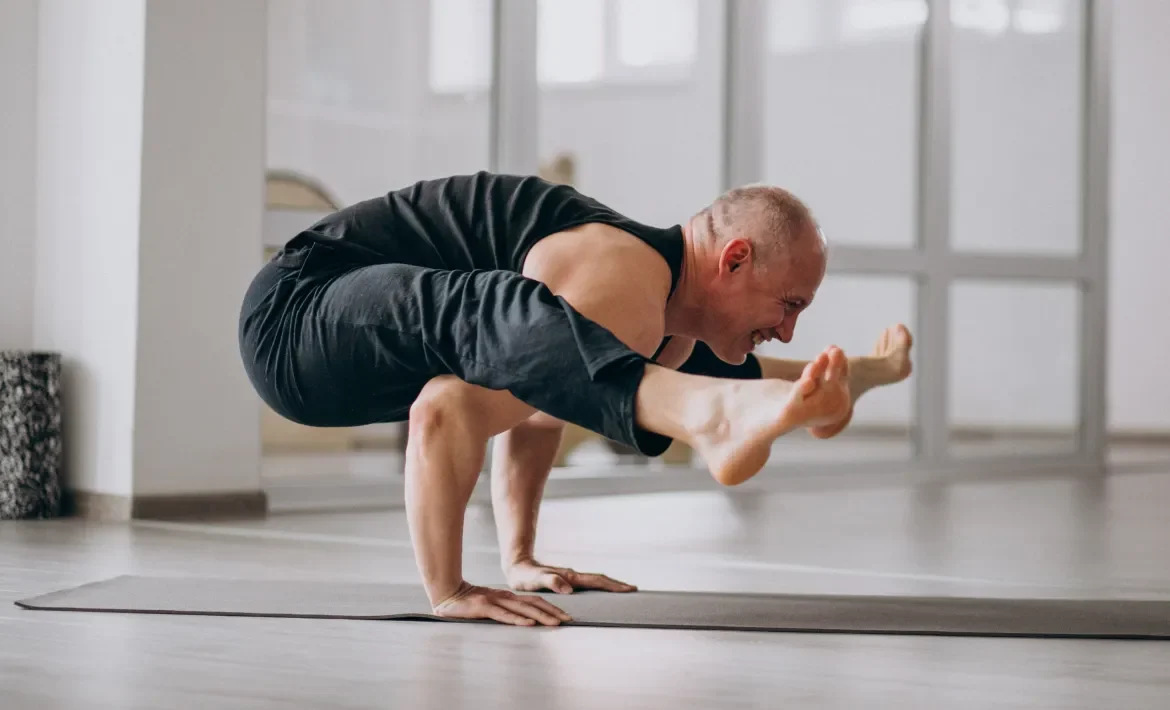
          Creating a Daily Mindfulness Ritual

          In today’s fast-paced world, stress and anxiety have become almost universal experiences. Deadlines, financial pressures, social expectations, digital overload, and personal responsibilities can overwhelm the mind and body. While medication and therapy are essential for many people, natural and holistic practices like yoga have proven to be powerful tools in managing stress and anxiety. Yoga is much more than stretching or physical exercise. It is a mind-body practice that combines movement, breath control, and meditation to promote physical health and emotional balance. For thousands of years, yoga has been used to cultivate inner peace and resilience.

          Yoga is often misunderstood as simply a physical exercise focused on flexibility. In reality, it is a sophisticated mind-body discipline developed thousands of years ago to cultivate harmony between physical health, mental clarity, and emotional stability. What makes yoga uniquely powerful for stress and anxiety is its integrated approach. It does not treat the mind and body as separate systems. Instead, it recognizes that mental tension manifests physically and that physical relaxation can profoundly influence mental states.

          How Long Does It Take to See Results?

          When a person experiences stress, the body activates the sympathetic nervous system, often described as the fight-or-flight response. The heart begins to beat faster, muscles tighten, breathing becomes shallow, and stress hormones such as cortisol and adrenaline flood the bloodstream. This response is essential in moments of danger, but it was never meant to remain switched on all day. Unfortunately, modern stressors rarely involve physical threats. Instead, they are psychological and continuous.

          “When we slow down enough to listen, the body reveals its wisdom and the mind begins to quiet.”HARRY WUKO

          Yoga gently interrupts this cycle. Through slow, deliberate movement and controlled breathing, it stimulates the parasympathetic nervous system, sometimes referred to as the rest-and-digest response. This shift signals safety to the brain. The heart rate slows, blood pressure decreases, and muscles begin to soften. Over time, regular yoga practice retrains the nervous system to recover from stress more quickly. Instead of remaining stuck in hyper-alert mode, the body learns flexibility and balance.
          READ MORE
          post-4
          Yoga
          March 2, 2026By wondarland2 Comments

          Finding Your Balance in a Busy World

          In today’s fast-paced world, stress and anxiety have become almost universal experiences. Deadlines, financial pressures, social expectations, digital overload, and personal responsibilities can overwhelm the mind and body. While medication and therapy are essential for many people, natural and holistic practices like yoga have proven to be powerful tools in managing stress and anxiety. Yoga is much more than stretching or physical exercise. It is a mind-body practice that combines movement, breath control, and meditation to promote physical health and emotional balance. For thousands of years, yoga has been used to cultivate inner peace and resilience.

          Yoga is often misunderstood as simply a physical exercise focused on flexibility. In reality, it is a sophisticated mind-body discipline developed thousands of years ago to cultivate harmony between physical health, mental clarity, and emotional stability. What makes yoga uniquely powerful for stress and anxiety is its integrated approach. It does not treat the mind and body as separate systems. Instead, it recognizes that mental tension manifests physically and that physical relaxation can profoundly influence mental states.

          How Long Does It Take to See Results?

          When a person experiences stress, the body activates the sympathetic nervous system, often described as the fight-or-flight response. The heart begins to beat faster, muscles tighten, breathing becomes shallow, and stress hormones such as cortisol and adrenaline flood the bloodstream. This response is essential in moments of danger, but it was never meant to remain switched on all day. Unfortunately, modern stressors rarely involve physical threats. Instead, they are psychological and continuous.

          “When we slow down enough to listen, the body reveals its wisdom and the mind begins to quiet.”HARRY WUKO

          Yoga gently interrupts this cycle. Through slow, deliberate movement and controlled breathing, it stimulates the parasympathetic nervous system, sometimes referred to as the rest-and-digest response. This shift signals safety to the brain. The heart rate slows, blood pressure decreases, and muscles begin to soften. Over time, regular yoga practice retrains the nervous system to recover from stress more quickly. Instead of remaining stuck in hyper-alert mode, the body learns flexibility and balance.
          READ MORE
          post-5
          Yoga
          March 2, 2026By wondarland2 Comments

          Yoga as a Tool for Emotional Resilience

          In today’s fast-paced world, stress and anxiety have become almost universal experiences. Deadlines, financial pressures, social expectations, digital overload, and personal responsibilities can overwhelm the mind and body. While medication and therapy are essential for many people, natural and holistic practices like yoga have proven to be powerful tools in managing stress and anxiety. Yoga is much more than stretching or physical exercise. It is a mind-body practice that combines movement, breath control, and meditation to promote physical health and emotional balance. For thousands of years, yoga has been used to cultivate inner peace and resilience.

          Yoga is often misunderstood as simply a physical exercise focused on flexibility. In reality, it is a sophisticated mind-body discipline developed thousands of years ago to cultivate harmony between physical health, mental clarity, and emotional stability. What makes yoga uniquely powerful for stress and anxiety is its integrated approach. It does not treat the mind and body as separate systems. Instead, it recognizes that mental tension manifests physically and that physical relaxation can profoundly influence mental states.

          How Long Does It Take to See Results?

          When a person experiences stress, the body activates the sympathetic nervous system, often described as the fight-or-flight response. The heart begins to beat faster, muscles tighten, breathing becomes shallow, and stress hormones such as cortisol and adrenaline flood the bloodstream. This response is essential in moments of danger, but it was never meant to remain switched on all day. Unfortunately, modern stressors rarely involve physical threats. Instead, they are psychological and continuous.

          “When we slow down enough to listen, the body reveals its wisdom and the mind begins to quiet.”HARRY WUKO

          Yoga gently interrupts this cycle. Through slow, deliberate movement and controlled breathing, it stimulates the parasympathetic nervous system, sometimes referred to as the rest-and-digest response. This shift signals safety to the brain. The heart rate slows, blood pressure decreases, and muscles begin to soften. Over time, regular yoga practice retrains the nervous system to recover from stress more quickly. Instead of remaining stuck in hyper-alert mode, the body learns flexibility and balance.
          READ MORE
          post-6
          Strength
          March 2, 2026By wondarland2 Comments

          Strength vs. Flexibility: Finding the Balance

          In today’s fast-paced world, stress and anxiety have become almost universal experiences. Deadlines, financial pressures, social expectations, digital overload, and personal responsibilities can overwhelm the mind and body. While medication and therapy are essential for many people, natural and holistic practices like yoga have proven to be powerful tools in managing stress and anxiety. Yoga is much more than stretching or physical exercise. It is a mind-body practice that combines movement, breath control, and meditation to promote physical health and emotional balance. For thousands of years, yoga has been used to cultivate inner peace and resilience.

          Yoga is often misunderstood as simply a physical exercise focused on flexibility. In reality, it is a sophisticated mind-body discipline developed thousands of years ago to cultivate harmony between physical health, mental clarity, and emotional stability. What makes yoga uniquely powerful for stress and anxiety is its integrated approach. It does not treat the mind and body as separate systems. Instead, it recognizes that mental tension manifests physically and that physical relaxation can profoundly influence mental states.

          How Long Does It Take to See Results?

          When a person experiences stress, the body activates the sympathetic nervous system, often described as the fight-or-flight response. The heart begins to beat faster, muscles tighten, breathing becomes shallow, and stress hormones such as cortisol and adrenaline flood the bloodstream. This response is essential in moments of danger, but it was never meant to remain switched on all day. Unfortunately, modern stressors rarely involve physical threats. Instead, they are psychological and continuous.

          “When we slow down enough to listen, the body reveals its wisdom and the mind begins to quiet.”HARRY WUKO

          Yoga gently interrupts this cycle. Through slow, deliberate movement and controlled breathing, it stimulates the parasympathetic nervous system, sometimes referred to as the rest-and-digest response. This shift signals safety to the brain. The heart rate slows, blood pressure decreases, and muscles begin to soften. Over time, regular yoga practice retrains the nervous system to recover from stress more quickly. Instead of remaining stuck in hyper-alert mode, the body learns flexibility and balance.
          READ MORE
          post-7
          Meditation
          March 2, 2026By wondarland2 Comments

          Designing a Peaceful Home Practice Space

          In today’s fast-paced world, stress and anxiety have become almost universal experiences. Deadlines, financial pressures, social expectations, digital overload, and personal responsibilities can overwhelm the mind and body. While medication and therapy are essential for many people, natural and holistic practices like yoga have proven to be powerful tools in managing stress and anxiety. Yoga is much more than stretching or physical exercise. It is a mind-body practice that combines movement, breath control, and meditation to promote physical health and emotional balance. For thousands of years, yoga has been used to cultivate inner peace and resilience.

          Yoga is often misunderstood as simply a physical exercise focused on flexibility. In reality, it is a sophisticated mind-body discipline developed thousands of years ago to cultivate harmony between physical health, mental clarity, and emotional stability. What makes yoga uniquely powerful for stress and anxiety is its integrated approach. It does not treat the mind and body as separate systems. Instead, it recognizes that mental tension manifests physically and that physical relaxation can profoundly influence mental states.

          How Long Does It Take to See Results?

          When a person experiences stress, the body activates the sympathetic nervous system, often described as the fight-or-flight response. The heart begins to beat faster, muscles tighten, breathing becomes shallow, and stress hormones such as cortisol and adrenaline flood the bloodstream. This response is essential in moments of danger, but it was never meant to remain switched on all day. Unfortunately, modern stressors rarely involve physical threats. Instead, they are psychological and continuous.

          “When we slow down enough to listen, the body reveals its wisdom and the mind begins to quiet.”HARRY WUKO

          Yoga gently interrupts this cycle. Through slow, deliberate movement and controlled breathing, it stimulates the parasympathetic nervous system, sometimes referred to as the rest-and-digest response. This shift signals safety to the brain. The heart rate slows, blood pressure decreases, and muscles begin to soften. Over time, regular yoga practice retrains the nervous system to recover from stress more quickly. Instead of remaining stuck in hyper-alert mode, the body learns flexibility and balance.
          READ MORE
          post-8
          Lessons
          March 2, 2026By wondarland2 Comments

          Recovery and Restorative Yoga Explained

          In today’s fast-paced world, stress and anxiety have become almost universal experiences. Deadlines, financial pressures, social expectations, digital overload, and personal responsibilities can overwhelm the mind and body. While medication and therapy are essential for many people, natural and holistic practices like yoga have proven to be powerful tools in managing stress and anxiety. Yoga is much more than stretching or physical exercise. It is a mind-body practice that combines movement, breath control, and meditation to promote physical health and emotional balance. For thousands of years, yoga has been used to cultivate inner peace and resilience.

          Yoga is often misunderstood as simply a physical exercise focused on flexibility. In reality, it is a sophisticated mind-body discipline developed thousands of years ago to cultivate harmony between physical health, mental clarity, and emotional stability. What makes yoga uniquely powerful for stress and anxiety is its integrated approach. It does not treat the mind and body as separate systems. Instead, it recognizes that mental tension manifests physically and that physical relaxation can profoundly influence mental states.

          How Long Does It Take to See Results?

          When a person experiences stress, the body activates the sympathetic nervous system, often described as the fight-or-flight response. The heart begins to beat faster, muscles tighten, breathing becomes shallow, and stress hormones such as cortisol and adrenaline flood the bloodstream. This response is essential in moments of danger, but it was never meant to remain switched on all day. Unfortunately, modern stressors rarely involve physical threats. Instead, they are psychological and continuous.

          “When we slow down enough to listen, the body reveals its wisdom and the mind begins to quiet.”HARRY WUKO

          Yoga gently interrupts this cycle. Through slow, deliberate movement and controlled breathing, it stimulates the parasympathetic nervous system, sometimes referred to as the rest-and-digest response. This shift signals safety to the brain. The heart rate slows, blood pressure decreases, and muscles begin to soften. Over time, regular yoga practice retrains the nervous system to recover from stress more quickly. Instead of remaining stuck in hyper-alert mode, the body learns flexibility and balance.

          READ MORE
          post-9
          Health
          March 2, 2026By wondarland2 Comments

          Morning vs. Evening Yoga: What’s Better?

          In today’s fast-paced world, stress and anxiety have become almost universal experiences. Deadlines, financial pressures, social expectations, digital overload, and personal responsibilities can overwhelm the mind and body. While medication and therapy are essential for many people, natural and holistic practices like yoga have proven to be powerful tools in managing stress and anxiety. Yoga is much more than stretching or physical exercise. It is a mind-body practice that combines movement, breath control, and meditation to promote physical health and emotional balance. For thousands of years, yoga has been used to cultivate inner peace and resilience.

          Yoga is often misunderstood as simply a physical exercise focused on flexibility. In reality, it is a sophisticated mind-body discipline developed thousands of years ago to cultivate harmony between physical health, mental clarity, and emotional stability. What makes yoga uniquely powerful for stress and anxiety is its integrated approach. It does not treat the mind and body as separate systems. Instead, it recognizes that mental tension manifests physically and that physical relaxation can profoundly influence mental states.

          How Long Does It Take to See Results?

          When a person experiences stress, the body activates the sympathetic nervous system, often described as the fight-or-flight response. The heart begins to beat faster, muscles tighten, breathing becomes shallow, and stress hormones such as cortisol and adrenaline flood the bloodstream. This response is essential in moments of danger, but it was never meant to remain switched on all day. Unfortunately, modern stressors rarely involve physical threats. Instead, they are psychological and continuous.

          “When we slow down enough to listen, the body reveals its wisdom and the mind begins to quiet.”HARRY WUKO

          Yoga gently interrupts this cycle. Through slow, deliberate movement and controlled breathing, it stimulates the parasympathetic nervous system, sometimes referred to as the rest-and-digest response. This shift signals safety to the brain. The heart rate slows, blood pressure decreases, and muscles begin to soften. Over time, regular yoga practice retrains the nervous system to recover from stress more quickly. Instead of remaining stuck in hyper-alert mode, the body learns flexibility and balance.

          READ MORE
          • 1
          • 2

          Contacts

          Mikocheni,Rose Garden Road, Dar es Salaam, Tanzania


          +255 652254526
          houseofwondar@gmail.com

          Subscribe

            In Socials

            yt.
            Ins.
            TK.

            Copyright © 2026 Wondarland Limited. All Rights Reserved.

            HOUSE OF WONDAR